
Inverters & Solar
Inverter or Generator? Choosing Backup Power for a Ghanaian Home
· 3 min read · Energy Links Ghana
When the lights go out, the two options every household in Ghana weighs are a generator or an inverter with batteries. The honest answer is that they solve different problems, and the cheaper one to buy is usually the dearer one to own.
What each one actually is
A generator burns fuel to make electricity. It can run indefinitely as long as you keep feeding it, and it can carry heavy loads like air conditioners and pumps.
An inverter stores electricity in batteries while the mains is on, then converts it back to 230 V when the mains fails. It makes no noise, needs no fuel, and is limited by how much battery you bought.
The five-year comparison
This is where the decision is usually made.
| What matters | Generator | Inverter |
| --- | --- | --- |
| Purchase price | Lower | Higher |
| Running cost | Fuel, every single outage | Mains charging only |
| Maintenance | Oil, filters, servicing | Batteries every 3-5 years |
| Noise | Loud | Silent |
| Starts automatically | Only with an ATS | Instantly, always |
| Heavy loads (AC, pumps) | Yes | Only if sized for it |
| Indoor safe | No — fumes are lethal | Yes |
Where the money really goes
A generator's purchase price is the smallest part of what you will spend. Fuel during a bad month, plus servicing, plus the rewind or replacement that follows years of hard running, add up quickly.
An inverter's cost is front-loaded: you buy the inverter and the batteries once, then spend almost nothing until the batteries need replacing. Budget for that replacement — it is the one real recurring cost, and pretending otherwise is how people end up disappointed.
Choose a generator if
- You need to run air conditioners, water pumps or workshop tools during an outage
- Outages where you live last many hours or all day
- You have outdoor space with real ventilation, away from bedroom windows
- You can live with the noise, and so can your neighbours
Choose an inverter if
- You need lights, fans, TV, Wi-Fi, laptops and phone charging — the things that make a house livable
- Outages are frequent but a few hours at a time
- You want it to switch over instantly, with nothing to start
- Silence matters, or you have nowhere safe to put a generator
The arrangement most homes end up with
For many Ghanaian households the right answer is both, sized sensibly: an inverter covering lights, sockets and the fridge so ordinary outages pass unnoticed, and a modest generator for the long ones and the heavy loads.
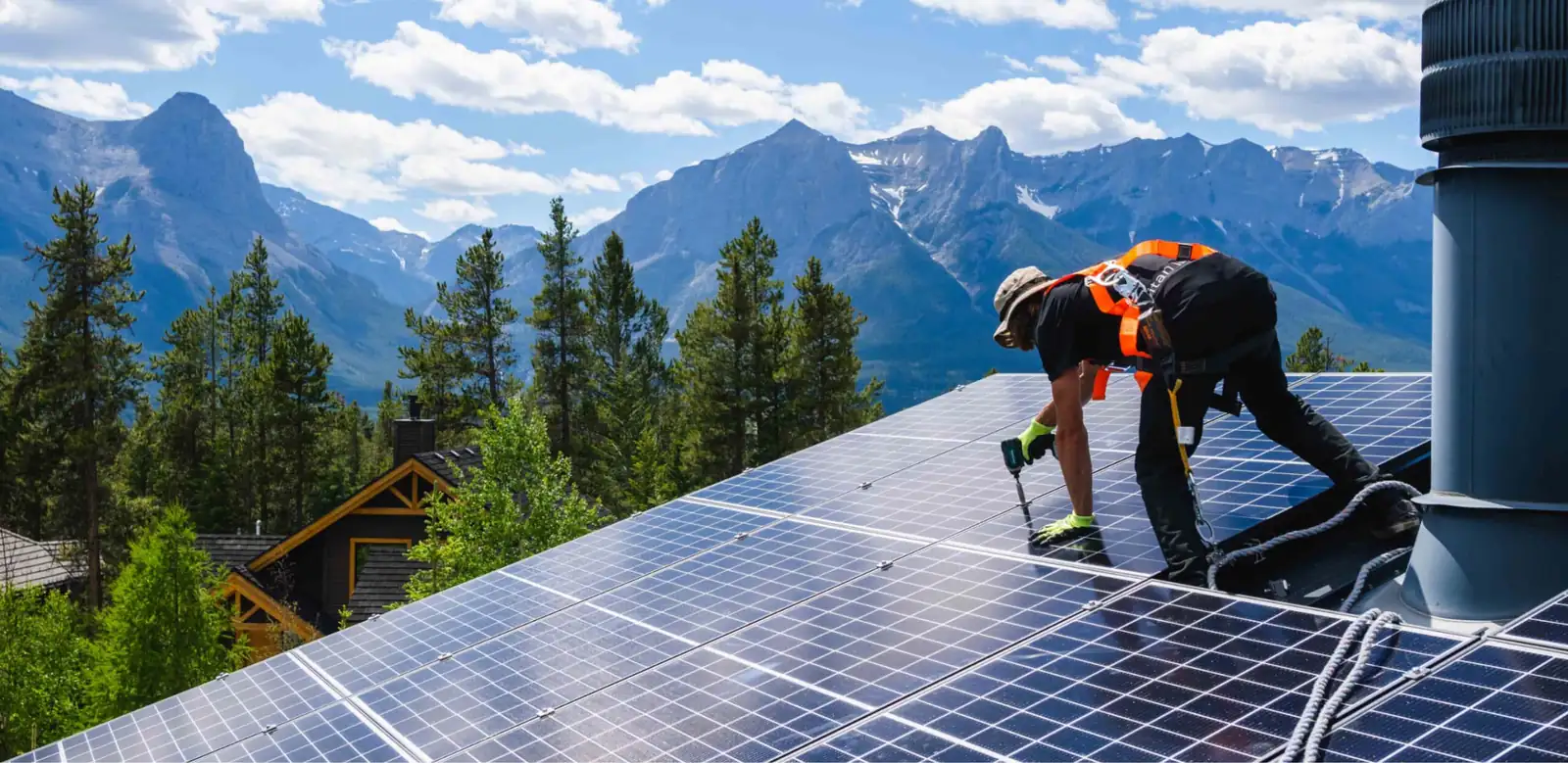
Adding solar panels to the inverter is the natural next step. The panels charge the batteries during the day, which cuts the electricity used for charging and keeps the system working through an outage that lasts into a second day.
Sizing an inverter, briefly
Add up what you want to run:
- Lights — 10 W each for LED, so 10 bulbs is 100 W
- Fans — 60 to 80 W each
- TV and decoder — around 150 W
- Fridge — 150 W running, but it surges much higher when the compressor starts
- Wi-Fi, laptops, phones — around 150 W together
That is roughly 800 W of load. A 1.5 kVA inverter carries it with headroom; the battery bank then decides how many hours you get.
Avoid putting a fridge on an undersized inverter — the compressor surge is what trips it.
Talk it through before you buy
We size inverters, battery banks and generators for homes and businesses across Ghana, and we install what we sell. Get in touch and we will work out which of the two — or which combination — fits how you actually live.
- inverter Ghana
- generator
- backup power
- solar
Need help choosing the right equipment?
Our engineers will size it against your actual load, not a guess.
Talk to usMore from the blog
Power Protection
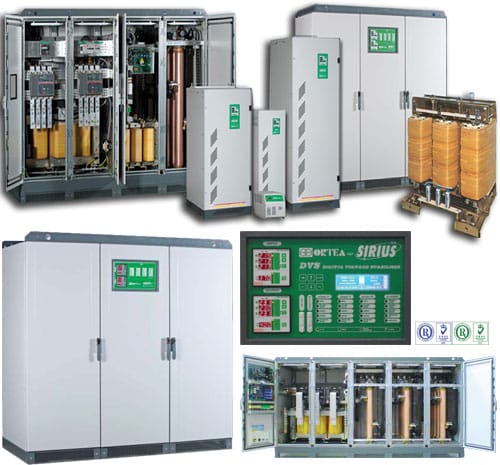
Why a Voltage Stabilizer Saves More Than It Costs
Ghana's mains does not just go off — it sags and spikes while it is on. That is what quietly destroys compressors, boards and motors, and a stabilizer is the cheapest insurance against it.
· 3 min read
UPS Systems
How to Choose a UPS in Ghana: A Practical Sizing Guide
Most UPS systems in Ghana fail early because they were sized by guesswork. Here is the method we use on every site survey, from listing your critical load to picking the right kVA rating.
· 4 min read